
What feels limited?
Turning your head, bending, reaching, walking, sitting, standing, or lifting may feel tighter, weaker, sharper, or less reliable than before.
Accident and injury exam
You may have felt fine at first. Then your neck tightened up, your back started aching, headaches showed up, or normal things like driving, sleeping, lifting, and working got harder. We start with an exam so we can explain what changed and what should happen next.
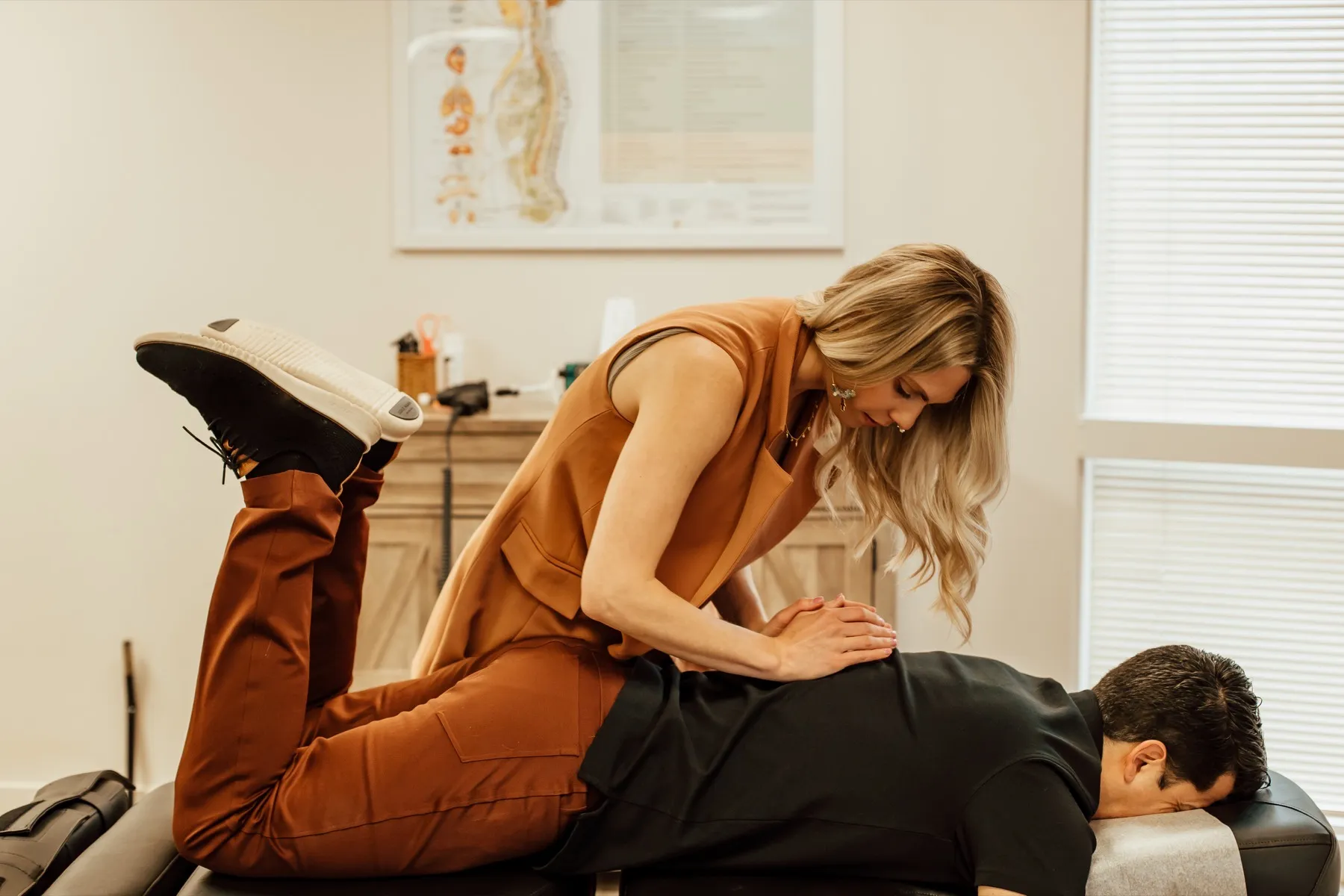
Delayed symptoms
After a crash, slip, hard lift, or work strain, your body can stay guarded for hours or days. The first signs can feel confusing: stiffness the next morning, a new headache, low back pain after sitting, soreness that spreads, or pain that gets worse when you try to return to normal activity.
We want to know what happened, when symptoms started, and what has changed since. The first visit includes x-rays, then the doctor explains whether care, home guidance, follow-up, or another next step makes sense.
What changed
Turning your head, bending, reaching, walking, sitting, standing, or lifting may feel tighter, weaker, sharper, or less reliable than before.
Tell us if sleep, driving, work, chores, exercise, childcare, or basic errands have changed since the injury.
Some injuries feel worse after a full workday, after sitting in the car, first thing in the morning, or when you try to return to normal activity.
We explain what we find, what looks involved, and whether chiropractic care, massage, home guidance, follow-up, or referral makes sense.
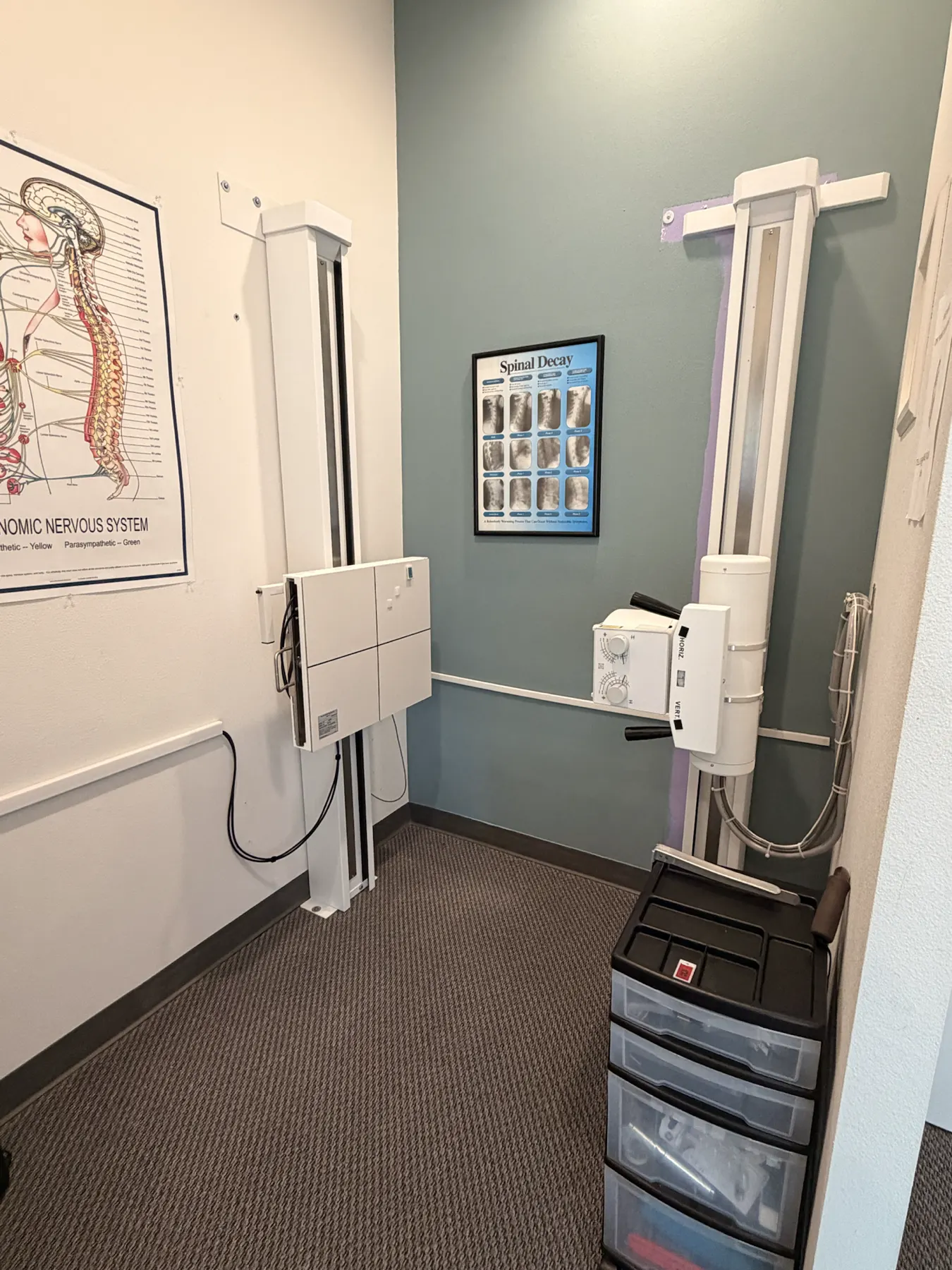
Exam and x-rays
Your first visit includes a health history, injury history, range-of-motion checks, orthopedic tests, posture findings, chiropractic exam findings, soft tissue assessment, and x-rays. X-rays help us see structure before care starts.
The point is simple: we don’t want to guess. We want to understand what happened, what’s painful now, what looks restricted, and whether there are safety concerns that should change the plan.
Crash and work context
A rear-end crash, side impact, fall at work, heavy lift, repetitive task, or sudden twist can all create a different pattern. Bring the details you remember, even if they seem small. Seat position, direction of impact, what you were lifting, how you landed, and what you had to do afterward can help us understand the stress your body took.
If paperwork, claim information, or work restrictions are part of your situation, bring what you have. We’ll focus first on your exam and symptoms, then help you understand the practical next step.
What to tell us
You don’t need medical words. Tell us what happened, what changed, and what you’re trying to get back to. We’ll ask follow-up questions and walk through the exam from there.
Right away, later that day, the next morning, after returning to work, or after trying to move normally again.
Neck, back, shoulders, ribs, hips, arms, legs, headaches, numbness, tingling, or soreness that moves around.
Driving, sleeping, lifting, bending, sitting, standing, turning your head, reaching, coughing, or getting through a shift.
Getting back to work, caring for family, sleeping normally, moving without guarding, or understanding whether care is appropriate.
Request a visit
Choose a clinic, pick the windows that usually work, and leave your phone number and email. This doesn’t book instantly; we’ll confirm the exact appointment with you.